
When it does occur in women, it’s usually less severe and more easily managed in earlier stages. The subunit method is another surgical approach, recommended for correcting https://pacificsecurityservices.in/diabetic-ketoacidosis-signs-of-dka-8-causes/ poor nasal contour or external valve collapse. Rhinophyma manifests through distinct changes in the skin, particularly affecting the nose. Initial symptoms often mirror those of rosacea, making early detection crucial for effective management. The goal of early intervention is to control inflammation and prevent the tissue changes that lead to rhinophyma. This approach is much more effective than trying to reverse advanced changes after they have occurred.

For some, alcohol may be a trigger, and they may find that cutting back on alcohol or abstaining completely helps to manage their symptoms. Stress can make rosacea and rhinophyma worse, so finding ways to manage your stress is crucial. Consider incorporating stress-reduction techniques into your daily routine, such as yoga, meditation, or deep breathing exercises. With rhinophyma, the skin of the nose becomes thickened, with enlarged pores and nodular growths. Rhinophyma usually develops slowly over time, starting with some thickening and redness of the skin of the nose.
Temperature extremes, whether hot or cold, can trigger flushing and inflammation. Wind exposure, humidity changes, and air pollution may also contribute to symptom flares. Stress, both physical and emotional, is another important trigger that can worsen rosacea symptoms through various biological pathways. Other hormonal fluctuations, such as those occurring during pregnancy or with certain medical conditions, can also affect rosacea symptoms. Some research suggests that hormones may influence sebaceous gland activity and inflammation patterns in ways that contribute to the tissue overgrowth seen in rhinophyma. The condition typically presents with several distinctive features that develop progressively over months or years.
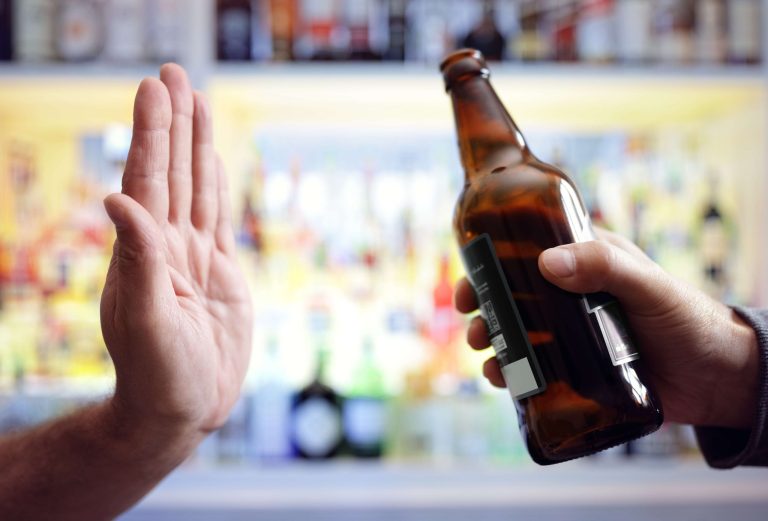
For people with rosacea, this effect can be more pronounced and longer-lasting than in those without the condition. Quitting alcohol may help reduce inflammation and slow the progression of rhinophyma, but it Sober living house does not reverse the condition entirely. Once rhinophyma develops, medical or surgical interventions, such as laser therapy or surgical reduction, are typically needed to address the physical changes to the nose. It is important to approach the decision to seek help with openness and readiness.

The Mayo Clinic reports that over a long period of time, rosacea can thicken the skin of the nose. This thickening of the nose causes it to become more bulbous, which is the condition you now know as rhinophyma. Although rosacea itself is more common in women than men, the specific side effect of rhinophyma happens more often in men than women. It’s important to note that topical treatments are most effective when used early in the course of rosacea, before significant thickening of the nasal tissue has occurred. If you or a loved one is struggling with alcohol addiction, Casa Capri Recovery is here to help. Our compassionate team specializes in guiding women toward alcoholic nose healthier lives with evidence-based treatments and personalized care.